Iran's 2026 World Cup Future: Geopolitical Tensions Threaten Participation
The beautiful game of soccer, often seen as a unifying force across nations, frequently finds itself entangled in the complex web of global geopolitics. Nowhere is this more apparent right now than in the precarious
iran world cup situation. As the 2026 FIFA World Cup draws nearer, Iran's participation hangs by a thread, jeopardized by rapidly escalating tensions in the Middle East. The prospect of one of Asia's powerhouse teams missing out on the biggest sporting spectacle on Earth is a stark reminder of how political instability can cast a long shadow over even the most anticipated international events.
The Unfolding Crisis: Geopolitical Tensions & Tehran's Response
Recent events have thrown Iran's World Cup aspirations into profound doubt. The region has witnessed a dangerous escalation, marked by reported U.S. and Israeli strikes against Iran. This surge in military activity, coupled with the tragic killing of Iranian Supreme Leader Ayatollah Ali Khamenei, has plunged the future of the Islamic Republic into uncertainty and significantly heightened the risk of wider regional instability. For many, the idea of preparing for a global sporting event amidst such turmoil seems incongruous.
Mehdi Taj, the president of Iran's soccer federation, has openly voiced these concerns, encapsulating the national sentiment. In a candid statement to Iranian media, Taj expressed profound pessimism about their World Cup prospects. "What is certain is that after this attack, we cannot be expected to look forward to the World Cup with hope," Taj reportedly stated. His remarks underscore the immense psychological and logistical challenges faced by the national team and its governing body. The focus has undeniably shifted from training and strategy to the very real concerns of national security and regional peace. This sentiment highlights a critical aspect of sports in geopolitically sensitive regions: when the foundational security and stability of a nation are threatened, the pursuit of sporting glory often takes a back seat.
A Fixture in Doubt: Iran's Scheduled Matches and Host City Challenges
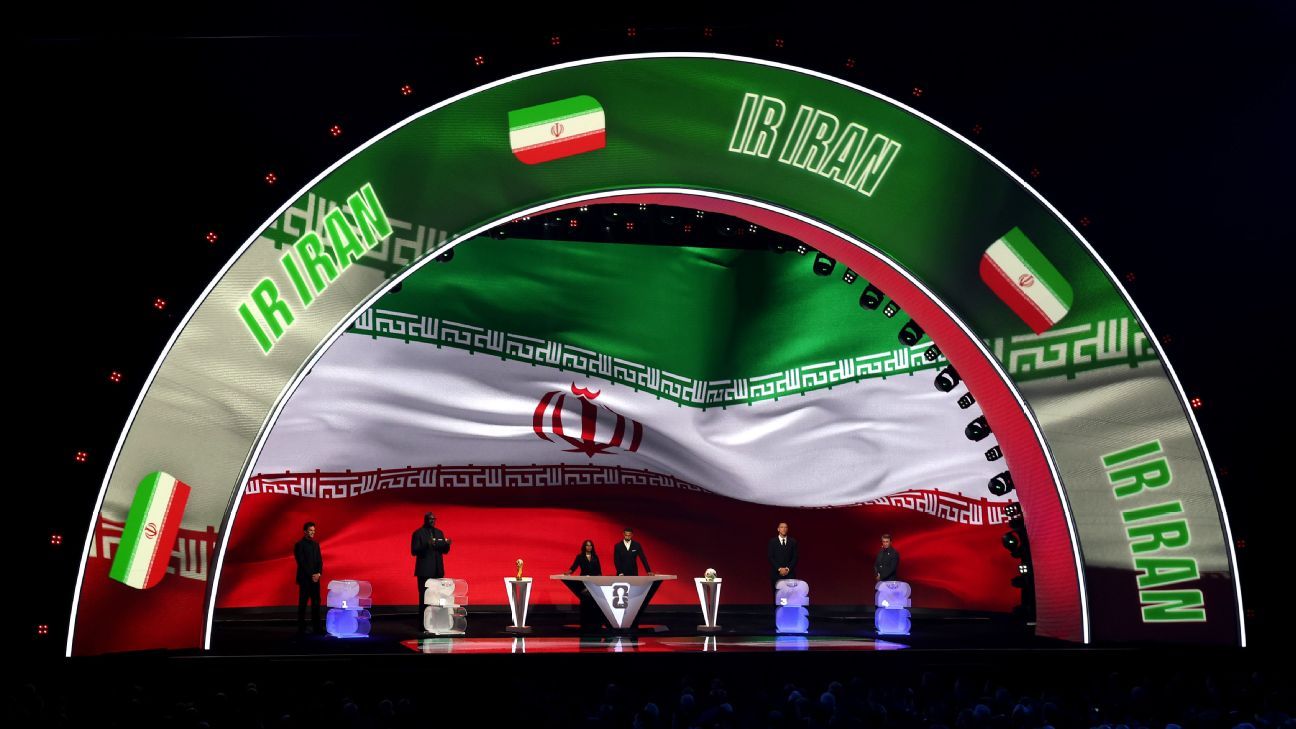
The 2026 World Cup, co-hosted by the United States, Canada, and Mexico, has meticulously planned its fixtures, and Iran has been drawn into Group G. Their schedule includes a match against New Zealand on June 15 and Belgium on June 21, both slated for Inglewood, California. The final group-stage encounter is against Egypt on June 26 at Lumen Field in Seattle. These matches, once a source of national excitement, are now shrouded in uncertainty.
Seattle, in particular, faces a unique set of complications. The city had already designated Iran's scheduled match against Egypt as a "Pride Match," an initiative tied to local LGBTQ+ celebrations. This decision drew strong objections from Tehran last year, highlighting a pre-existing cultural and ideological friction. The current geopolitical crisis only exacerbates this controversy, adding another layer of complexity to Seattle's World Cup preparations. Host cities invest heavily in infrastructure, security, and promotional efforts. The potential withdrawal of a team like Iran not only creates a logistical nightmare for organizers but also risks disappointing thousands of fans who might have planned to attend these specific matches.
Furthermore, it's worth noting that the issue of Iranian fans entering the U.S. has historical precedent. An initial travel ban implemented during the Trump administration already created significant hurdles for Iranian spectators. While the current administration's stance might differ, the backdrop of ongoing tensions certainly doesn't simplify international travel or visa approvals for Iranian citizens, further complicating the fan experience should Iran somehow still manage to participate. The confluence of these factors – security concerns, cultural clashes, and existing travel restrictions – paints a challenging picture for the smooth execution of Iran's scheduled U.S.-based games.
FIFA's Stance and the Contingency Plan
Amidst the growing uncertainty surrounding the
iran world cup situation, FIFA, soccer's global governing body, finds itself in a delicate position. As of the latest reports, FIFA has not officially confirmed Iran's withdrawal. Secretary-General Mattias Grafström stated that officials are closely monitoring global developments but deemed it "premature to comment" directly on Iran's specific status. This cautious approach is typical for international sporting organizations navigating volatile political landscapes, as premature statements can inadvertently escalate tensions or be misinterpreted.
However, FIFA is not without contingency plans. Its robust rulebook accounts for various scenarios, including a team's potential withdrawal before the tournament commences. Should Iran formally pull out, FIFA rules allow for a replacement team to be nominated. While no official shortlist has been released, regional powerhouses like Iraq or the United Arab Emirates are often cited as likely candidates given their geographical proximity and competitive standing within the AFC (Asian Football Confederation). The process of selecting a replacement would involve careful consideration of sporting merit, logistical feasibility, and geopolitical sensitivities. A late replacement, though disruptive, would ensure the integrity of the tournament's schedule and group dynamics. For fans, it means that while one team might exit, the spectacle will undoubtedly continue, albeit with a different lineup.
Beyond the Pitch: The Broader Implications of Politics in Sport
The current
iran world cup situation serves as a poignant illustration of the intricate and often unavoidable entanglement of sports and politics. International sports events, particularly those with the global magnitude of the FIFA World Cup, are rarely insulated from the geopolitical currents shaping the world. For FIFA, the dilemma is multifaceted: how to uphold the universal values of sport, ensure fair play, and protect the safety of all participants, while simultaneously navigating complex, and often volatile, international relations.
This scenario highlights several broader implications:
* **The Fragility of Global Events:** Even well-planned international events are vulnerable to sudden geopolitical shifts. This forces organizers to build resilience and contingency into every aspect of their planning.
* **The Burden on Athletes:** Players and coaching staff are often caught in the crossfire, their dreams and careers directly impacted by decisions far beyond their control. This can lead to immense emotional strain and uncertainty.
* **The Role of Soft Power:** Nations often use sports as a form of soft power and a platform for international diplomacy. When political tensions disrupt sporting participation, it underscores the loss of such an avenue for cultural exchange and mutual understanding.
* **Ethical Considerations for Host Nations:** Host cities and nations, like the U.S. in this case, must contend with how to balance their own values and political stances with the inclusive spirit of international sports. The "Pride Match" controversy is a prime example of this delicate balance.
For fans and stakeholders, understanding these underlying dynamics is crucial. It transforms the viewing experience from merely watching a game to appreciating the intricate global ballet that underpins such events. The uncertainty around Iran's participation is not just a sporting footnote; it's a significant chapter in the ongoing narrative of how geopolitical realities shape our world, even on the most revered sporting stages.
In conclusion, the
iran world cup situation is a complex and evolving saga, deeply rooted in the escalating geopolitical tensions in the Middle East. While FIFA monitors developments and holds contingency plans, the fate of Iran's 2026 World Cup participation remains precariously balanced. This scenario serves as a powerful reminder that while sport strives to transcend borders and politics, it is ultimately played out within the very real framework of international relations, where stability and peace are paramount for the game to truly flourish. The world watches, not just for the outcome of the matches, but for the resolution of a crisis that threatens to redefine the intersection of global sport and global politics.